What to Wear to a Wedding in 2026: Guest Dress Code Guide

Wedding season in 2026 arrives with a familiar mix of excitement and uncertainty. Invitations land, dates fill calendars - and the question inevitably follows: what should I wear?
Modern weddings are beautifully varied. From formal evening celebrations to relaxed garden ceremonies, dress codes have expanded, softened, and sometimes blurred altogether. While this allows for greater individuality, it can also make dressing feel more complicated than it needs to be.
The key lies in understanding intention rather than rules.
Wedding guest dressing is about respect for the occasion, the setting, and the couple - while still allowing space for personal style. The most successful looks feel thoughtful, appropriate, and confident, never distracting or overly cautious.
This guide breaks down wedding guest dressing for 2026, offering clarity across dress codes, seasons, and settings. Consider it a reference point - not to restrict creativity, but to remove uncertainty and help you dress well, with ease.
Understanding Wedding Dress Codes
Dress codes are meant to guide, not confuse. In practice, they signal the level of formality expected - and understanding that makes outfit choices far more intuitive.
Black Tie
Black tie weddings are formal evening events, typically held after 6pm. For guests, this calls for elevated silhouettes and refined fabrics. Floor-length gowns are traditional, but modern midi and maxi dresses in luxurious materials are now widely accepted. The focus should be on polish rather than excess - clean lines, considered detail, and confident restraint.
Cocktail
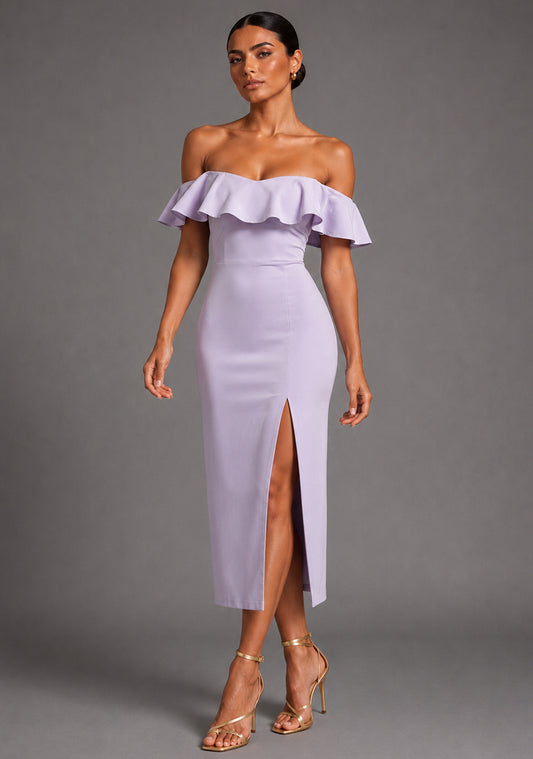
Cocktail dress codes strike a balance between formal and relaxed. Midi dresses work particularly well here, offering elegance without heaviness. Structured silhouettes, interesting fabrics, and subtle detailing feel appropriate. The look should read celebratory, but not overly formal.
Garden Party
Garden or outdoor weddings often suggest a softer, daytime-led approach. This doesn’t mean casual - it means lighter silhouettes, fluid fabrics, and a sense of ease. Prints, colour, and movement come into play, balanced by thoughtful styling.
Casual
“Casual” wedding dress codes can be misleading. They rarely mean everyday wear. Instead, think relaxed elegance - simpler silhouettes, less embellishment, but still intentional. Clean cuts and elevated fabrics ensure the outfit feels respectful of the occasion.
Across all dress codes, the underlying principle remains the same: dress with intention. When the outfit feels considered, it’s rarely wrong.
Spring Weddings: Soft Colour, Light Layers
Spring weddings bring a sense of renewal - and with it, a shift in palette and texture. Pastels, soft florals, and lighter neutrals feel naturally suited to the season.
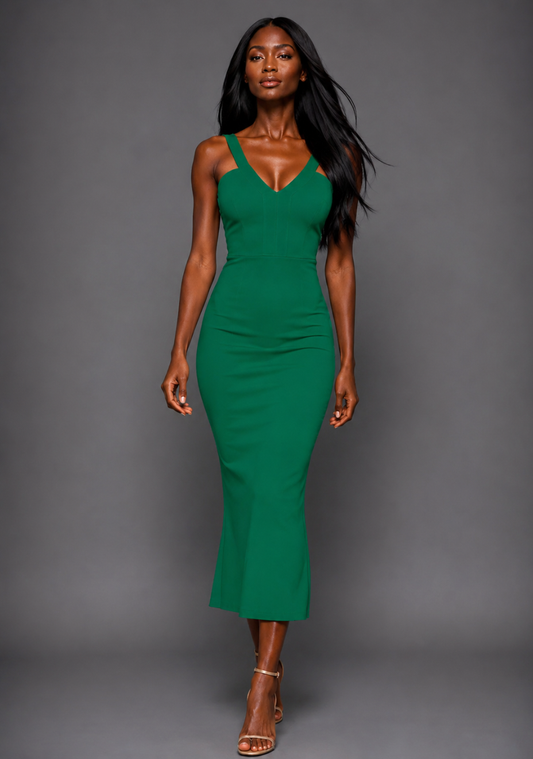
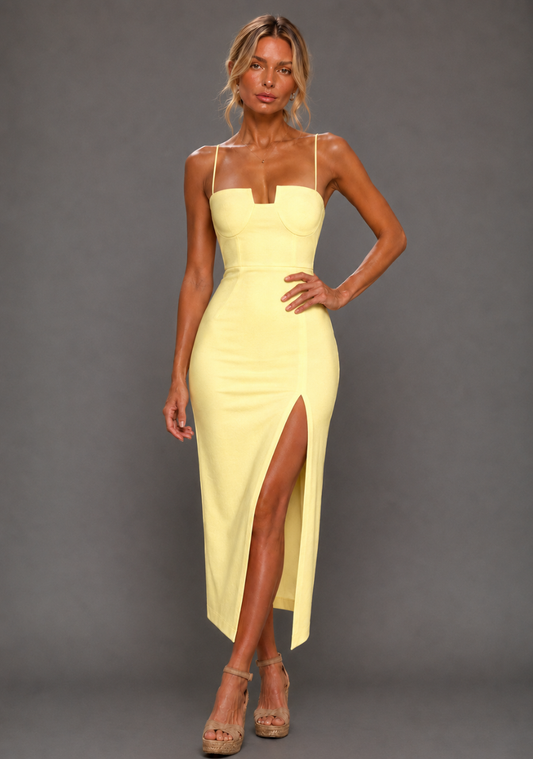
Midi lengths work particularly well for spring ceremonies, offering versatility across venues and times of day. Soft silhouettes with fluid movement feel romantic without being overly formal. For colour, blush tones, muted greens, gentle blues, and warm neutrals provide freshness while remaining refined.
Layering is essential. Spring weather is unpredictable, so lightweight blazers, refined wraps, or structured cover-ups ensure comfort without compromising the look. Fabrics should feel breathable yet substantial enough to hold shape.
The key to spring wedding dressing lies in balance - softness paired with structure, and colour grounded by clean lines.
Summer Weddings: Confident Colour, Effortless Elegance
Summer weddings invite a bolder approach to dressing. Colour deepens, silhouettes lengthen, and fabrics become lighter and more fluid.
Maxi dresses come into their own during the warmer months, offering impact with ease. Breathable materials that move with the body feel especially appropriate, keeping the look polished without discomfort. Bold prints, richer tones, and statement silhouettes all work well when balanced by simplicity elsewhere.
Summer dressing is about clarity. When the silhouette is confident and the fabric considered, there’s no need for excessive styling. Let the dress lead, and keep accessories refined.
Whether the ceremony is by the coast, in the countryside, or in the city, summer wedding guest dressing should feel effortless rather than forced.

Outdoor & Garden Weddings: Practical Glamour
Outdoor weddings require a slightly different approach. The setting introduces practical considerations - uneven ground, changing temperatures - without diminishing the need for elegance.
Footwear becomes particularly important. Block heels, refined flats, or elegant sandals offer stability without sacrificing style. Dresses with fluid movement and thoughtful length ensure ease throughout the day.
Cover-ups should feel intentional rather than functional. Lightweight layers that complement the outfit add polish and adaptability. Colour and print can be embraced here, but always with restraint.
Practical glamour is about preparation. When comfort is accounted for, confidence follows naturally.
What Not to Wear as a Wedding Guest
Just as important as knowing what works is understanding what doesn’t.
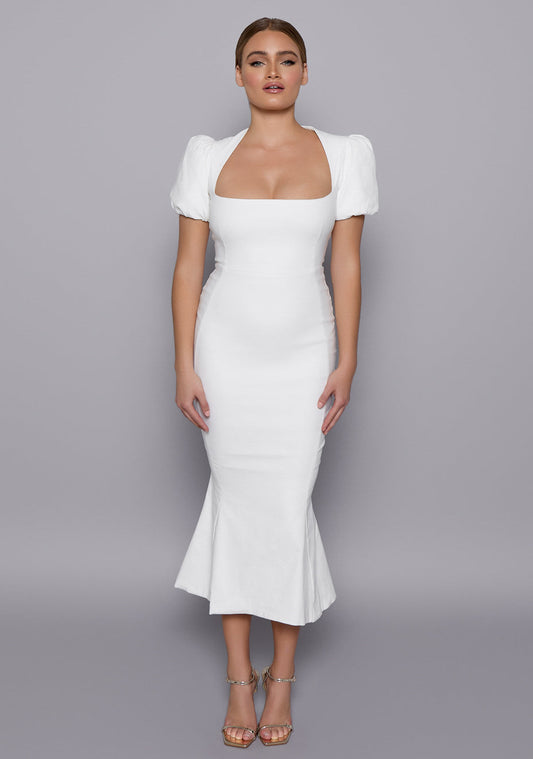
White or cream should always be avoided, as should anything that could be mistaken for bridal attire. Overly revealing silhouettes can feel inappropriate, particularly in formal or religious settings. Likewise, outfits that are too casual - such as everyday fabrics or informal footwear - undermine the occasion.
When in doubt, err on the side of refinement. Wedding guest dressing should complement the event, not compete with it.
Accessories: Finishing the Look
Accessories play a supporting role in wedding guest dressing. They should enhance the outfit, not overpower it.
Bags should be small and structured - clutches or refined shoulder styles work well across settings. Jewellery is best approached with restraint; choose one focal piece rather than multiple statement elements. Shoes should align with the venue and dress code, balancing comfort with elegance.
The most polished looks are often the simplest. When accessories feel considered, the outfit reads as cohesive and intentional.

Frequently Asked Questions
What should I wear to a wedding in 2026 as a guest?
Wedding guest dressing in 2026 focuses on intention rather than strict rules. The most successful outfits feel appropriate for the setting, season, and dress code, while still reflecting personal style. Clean silhouettes, considered fabrics, and refined styling ensure the look feels confident and respectful.
Can I wear black to a wedding?
Yes. Black is widely accepted for weddings, particularly evening or formal celebrations. To keep the look wedding-appropriate, introduce softness through fabric, silhouette, or accessories so the outfit feels celebratory rather than austere.
Are midi dresses suitable for weddings?
Midi dresses are one of the most versatile choices for wedding guests. They work well across spring and summer ceremonies and adapt easily to different dress codes when styled with the right accessories and footwear.
What shoes are best for outdoor or garden weddings?
For outdoor weddings, footwear should balance elegance with practicality. Block heels, refined flats, or supportive sandals are ideal options, offering stability without compromising the overall look.
Can I wear a jumpsuit to a wedding?
A tailored jumpsuit can be a modern and stylish alternative to a dress. For weddings, choose structured silhouettes in refined fabrics and style with elegant accessories to ensure the look feels intentional and occasion-appropriate.
What colours should wedding guests avoid?
White and cream should always be avoided, as should colours or styles that could distract from the couple. Extremely casual tones or overly revealing designs are also best left aside in favour of refined, celebratory choices.
Final Thoughts
Wedding guest dressing in 2026 is less about rigid rules and more about thoughtful interpretation. Understanding the setting, the season, and the dress code removes uncertainty and allows personal style to shine.
The best outfits feel confident, appropriate, and effortless - chosen with clarity rather than hesitation. When dressing for a wedding feels intuitive, the focus shifts back to what matters most: celebrating the moment.
Explore refined silhouettes designed for every wedding setting - from spring ceremonies to summer celebrations.
10th March 2026