Pink Is Back: How to Wear the SS26 It-Colour

Pink’s return for SS26 feels deliberate rather than nostalgic. This isn’t a revival rooted in novelty or trend cycling, but a renewed confidence in colour as expression. For several seasons, fashion leaned into restraint - softened palettes, neutral foundations, and understated tones dominated. In 2026, colour steps forward again, and pink leads the conversation.
What makes this moment different is how pink is being worn. It’s no longer confined to sweetness or statement dressing alone. Instead, it spans a full spectrum - from muted blush to saturated fuchsia - and adapts effortlessly across silhouettes, settings, and styling approaches.
Pink in SS26 is confident, versatile, and modern. It’s worn with clarity rather than irony, styled with intention rather than excess. Whether introduced subtly or embraced head-to-toe, pink feels relevant again - not as a trend to follow, but as a colour to own.
The Pink Spectrum: Finding Your Shade
One of the reasons pink works so well in SS26 is its range. Rather than a single defining tone, the season embraces multiple interpretations, each offering a different mood.
Blush and soft rose shades feel understated and refined. These lighter tones work beautifully in fluid silhouettes and minimal designs, offering warmth without overpowering the look. They’re particularly well suited to daytime dressing and softer occasions.
Mid-range pinks - think classic rose or muted coral - strike a balance between subtle and expressive. These shades feel versatile, working across seasons and settings with ease.
At the bolder end of the spectrum, hot pink and fuchsia bring energy and impact. When styled cleanly, they feel modern rather than theatrical. These shades are best worn with restraint elsewhere - simple silhouettes, refined fabrics, and minimal accessories allow the colour to lead.
Salmon and warm pinks sit slightly apart, offering a softer alternative to brighter hues. They bring warmth and approachability, particularly when paired with neutral tones.
Finding the right shade of pink is less about trends and more about tone, proportion, and confidence.

Head-to-Toe Pink: The Monochrome Approach
Monochrome dressing remains one of the most effective ways to wear colour - and pink is no exception. Head-to-toe pink styling allows the shade to feel intentional rather than decorative.
The key to monochrome lies in silhouette and texture. Clean lines, thoughtful proportions, and quality fabrics prevent the look from feeling costume-like. Variation within the same colour family - for example, pairing a softer pink with a slightly deeper tone - adds depth without breaking cohesion.
Accessories should remain understated. Neutral footwear, subtle metallics, or tonal accents support the look without distracting from it. When done well, monochrome pink feels confident, modern, and surprisingly versatile.
This approach works particularly well for statement dresses and occasionwear, where colour replaces the need for embellishment.
Pink with Neutrals: A Softer Take
For those easing back into colour, pairing pink with neutrals offers a refined entry point. Cream, camel, grey, and soft white tones ground pink, allowing it to feel wearable rather than bold.
Blush and rose shades pair naturally with lighter neutrals, creating an elegant, tonal effect. Grey offers a more contemporary contrast, especially with mid-tone or brighter pinks. Camel introduces warmth and sophistication, balancing pink’s vibrancy.
This styling approach works across both day and evening settings. By anchoring pink with neutral elements, the overall look feels composed and effortless - ideal for those who prefer subtle impact.
Pink and Red: Confident Colour Pairing
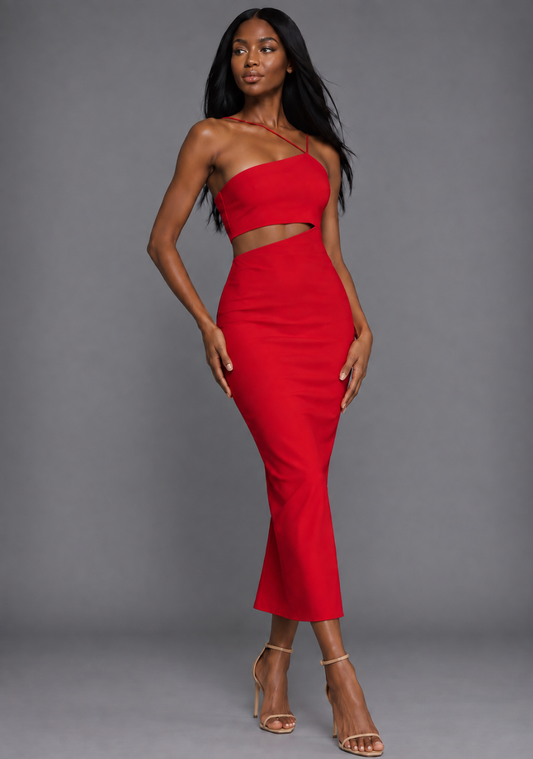
Once considered unconventional, pink and red is now one of the most confident colour combinations in modern dressing. For SS26, the pairing feels intentional rather than playful.
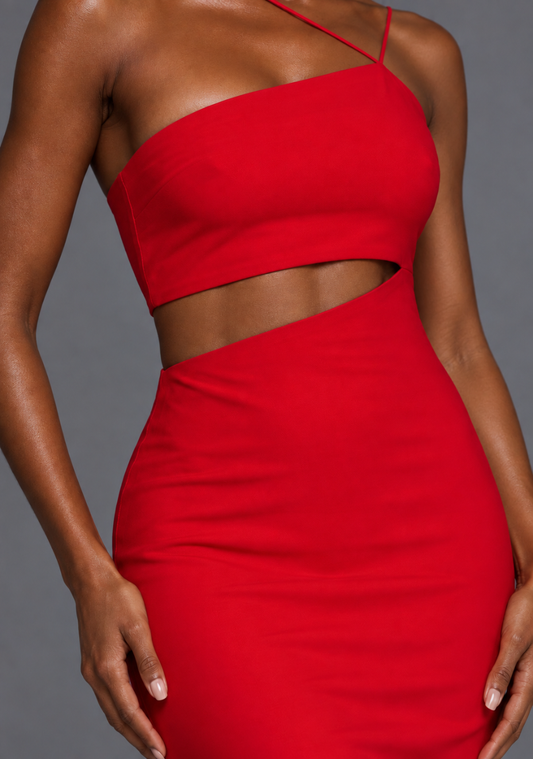
The key lies in clarity. Choose clean silhouettes and limit competing details so the colours can coexist without chaos. Deep reds paired with softer pinks feel particularly refined, while brighter combinations deliver energy and impact.
This pairing naturally lends itself to occasion dressing, especially around Valentine’s season, but its appeal extends well beyond. When styled with restraint, pink and red together feel bold, modern, and unapologetically confident.
Pink for Evening: Elevated and Intentional
Pink translates beautifully into eveningwear when fabric and cut are prioritised. Satin, sequins, and fluid materials enhance the colour’s depth, allowing it to catch light and movement effortlessly.
For evening settings, deeper or more saturated pinks often feel more appropriate, though softer shades can work when the silhouette is refined. Clean lines, sculpted shapes, and minimal styling ensure the look feels elevated rather than sweet.
Pink eveningwear offers an alternative to traditional black, delivering impact without heaviness. It feels expressive yet composed - ideal for dinners, events, and formal occasions where confidence is key.

Choosing Pink for Your Skin Tone
Understanding undertones can help refine how pink is worn. Those with warm undertones often suit peach-based, coral, or salmon pinks, which complement natural warmth. Cooler undertones tend to work well with blue-based pinks, such as rose, fuchsia, or magenta.
Neutral undertones sit comfortably across the spectrum, allowing greater flexibility. In these cases, personal preference and styling approach matter more than strict rules.
Ultimately, confidence outweighs theory. When a shade feels right, it usually is.
Frequently Asked Questions
Is pink still on trend for 2026?
Yes. Pink is one of the defining colours of SS26, returning in a more refined, confident way. Rather than novelty, it’s being used with intention - through clean silhouettes, elevated fabrics, and thoughtful styling that makes it feel modern and enduring.
How can I wear pink without it feeling too bold?
Balance is key. Pairing pink with neutrals such as cream, grey, or camel softens the overall look. Choosing refined cuts and minimal accessories allows the colour to feel intentional rather than overpowering.
Can pink work for eveningwear?
Absolutely. Pink translates beautifully into evening settings when executed in satin, sequins, or fluid fabrics. Deeper or more saturated tones often feel particularly elevated, offering a confident alternative to traditional black.
Is monochrome pink difficult to style?
Not when approached thoughtfully. Monochrome works best when the silhouette is clean and proportions are considered. Keeping accessories minimal allows the colour to lead, resulting in a look that feels confident rather than costume-like.
Does pink suit all skin tones?
Yes - it’s about finding the right undertone. Warmer complexions tend to suit peach or coral-based pinks, while cooler undertones work well with rose or blue-based shades. Neutral undertones can wear most variations comfortably.
Can pink be worn beyond spring and summer?
Pink is increasingly seasonless. While lighter shades feel natural in warmer months, deeper pinks and fuchsia translate easily into autumn and eveningwear when styled with richer fabrics and refined silhouettes.
Final Thoughts
Pink’s return in SS26 is less about trend revival and more about renewed confidence. It’s a colour that adapts - soft or bold, understated or expressive - depending on how it’s worn.
The most successful pink looks are built on intention. Clean silhouettes, refined fabrics, and thoughtful styling allow the colour to feel modern and wearable, rather than performative.
In 2026, pink isn’t a statement to justify. It’s simply a choice - and a confident one.
Explore occasion styles designed to wear colour with confidence.
12th February 2026