What to Wear to the Races: A Refined Occasion Dressing Guide

Dressing for Race Day, Reimagined
Race day dressing has long been associated with tradition - structured silhouettes, statement hats, and clearly defined expectations. While those elements still exist, modern race day style has evolved.
In 2026, dressing for the races feels less prescriptive and more considered. The focus has shifted from strict rules to refined interpretation. The goal remains the same: polished, elevated, and appropriate for the setting - but with greater freedom in how that’s achieved.
From major events like Ascot to more relaxed race days, the approach to dressing now sits somewhere between formal occasionwear and contemporary styling. Clean silhouettes, confident colour, and thoughtful details define the look.
Understanding the setting is key, but beyond that, race day style is about balance - between tradition and modernity, structure and ease, statement and restraint.
Understanding the Dress Code
Race day dress codes can vary depending on the event, but most fall into a similar spectrum: formal, smart, and occasion-led.
Events such as Royal Ascot have more defined guidelines, often requiring dresses of a certain length, covered shoulders, and formal headwear. Other race days may be more relaxed, allowing for greater flexibility in silhouette and styling.
Regardless of the level of formality, the expectation is clear: this is not everyday dressing.
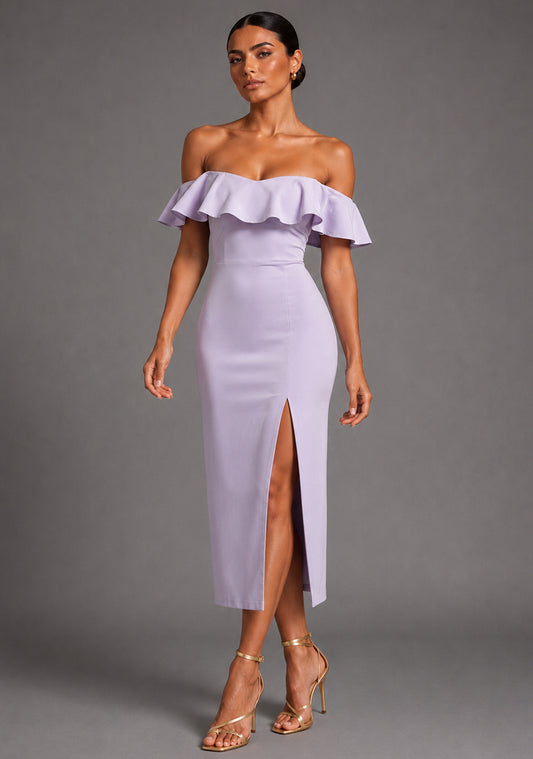
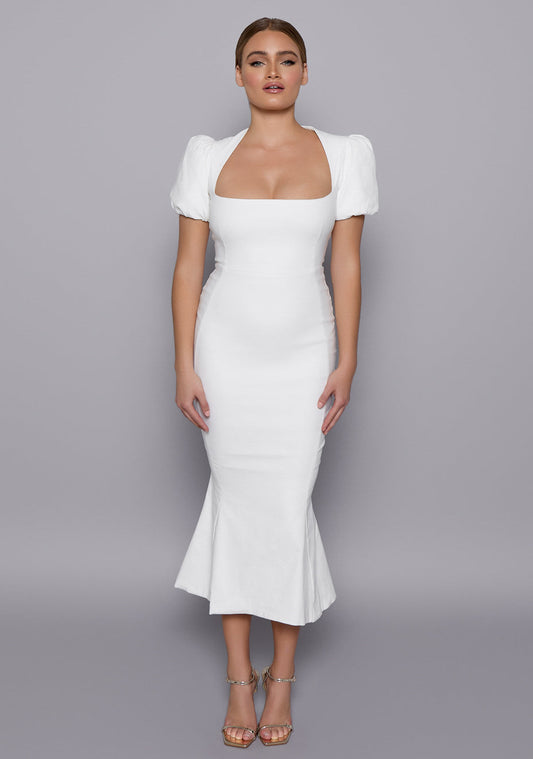
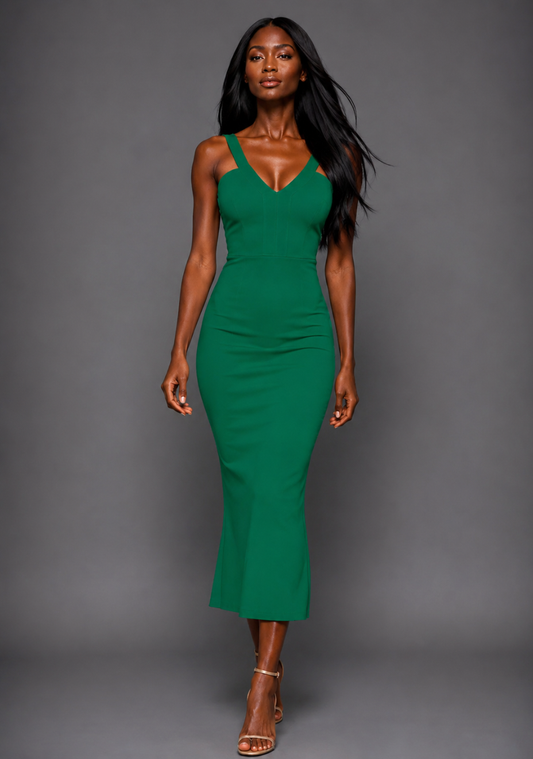
Midi and midaxi dresses are often the most appropriate choice, offering both elegance and practicality. They strike the right balance between polished and wearable, particularly for outdoor settings.

The Best Silhouettes for Race Day
Choosing the right silhouette sets the foundation for the entire look.
The Midi Dress
The midi dress remains the most reliable option for race day. Its length feels appropriate across formal and semi-formal events, while allowing ease of movement throughout the day.
Structured midis feel particularly relevant - clean lines, sculpted shapes, and refined fabrics ensure the look feels elevated rather than overly decorative.
The Midaxi Dress
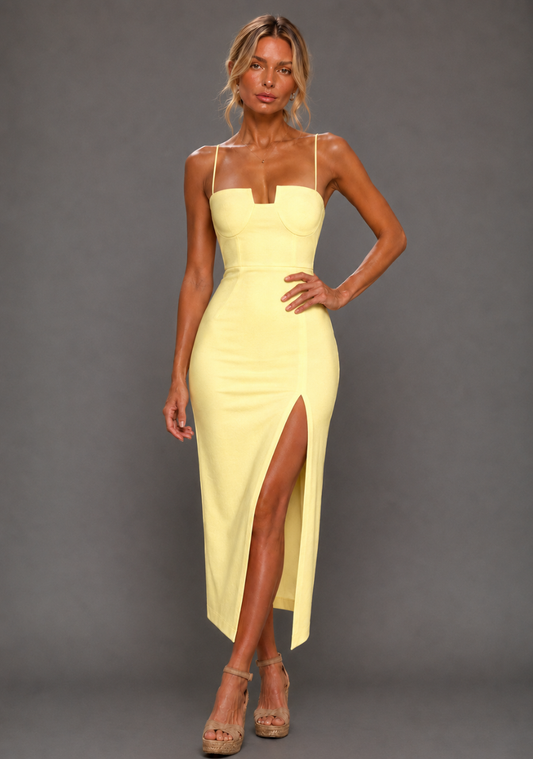
For a slightly more directional approach, midaxi silhouettes offer additional length while maintaining fluidity. This works well for more formal race days or when you want a stronger presence without committing to a full-length gown.
The Statement Mini (When Appropriate)
For less formal race events, a mini dress can work when styled thoughtfully. The key is balance - keeping the silhouette refined and avoiding overly casual styling.
A more structured mini paired with elegant accessories ensures the look still feels occasion-appropriate.
Colour and Print: Making an Impact
Race day is one of the few occasions where colour feels entirely at home.
Spring and early summer events lend themselves to brighter palettes - pastels, bold pinks, greens, and soft neutrals all feel appropriate. Prints can also work beautifully, provided they remain refined rather than overwhelming.
The key is letting colour lead without competing elements. When the shade is strong, the silhouette should remain clean.
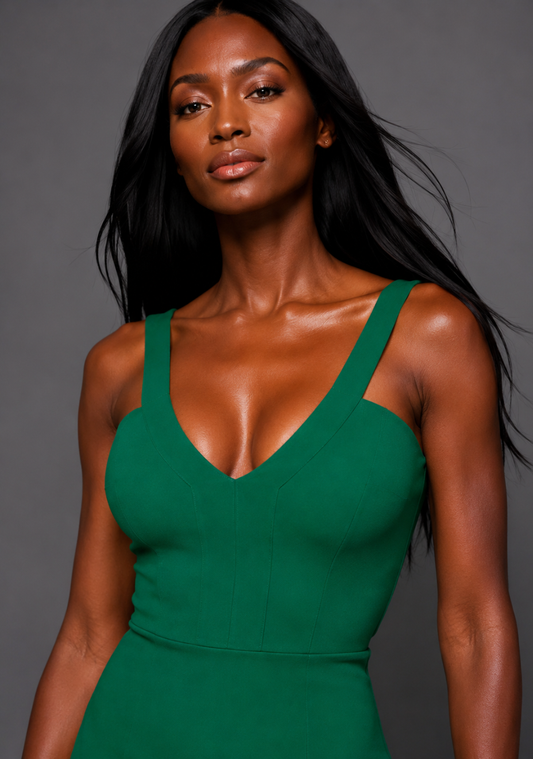
Monochrome dressing is particularly effective here. A single colour worn confidently creates impact while maintaining sophistication.

Headwear: The Defining Detail
Headwear remains one of the most recognisable elements of race day dressing, particularly for more formal events.
Traditional hats, structured fascinators, or more modern headpieces all work, depending on the setting. The role of headwear is to complement the outfit, not compete with it.
When the dress is already strong - through colour or silhouette - a more minimal headpiece often feels more modern. Conversely, a simpler dress can support a more statement accessory.
Balance is everything.
Footwear: Style Meets Practicality
Race days often involve walking, standing, and outdoor settings, which makes footwear an important consideration.
While heels remain the most traditional choice, practicality should not be overlooked. Block heels, wedges, or refined sandals offer stability without compromising the look.
The goal is to maintain elegance while ensuring comfort throughout the day.
Modern Details That Elevate the Look
In 2026, the most impactful race day outfits are defined by subtle detail rather than excess.
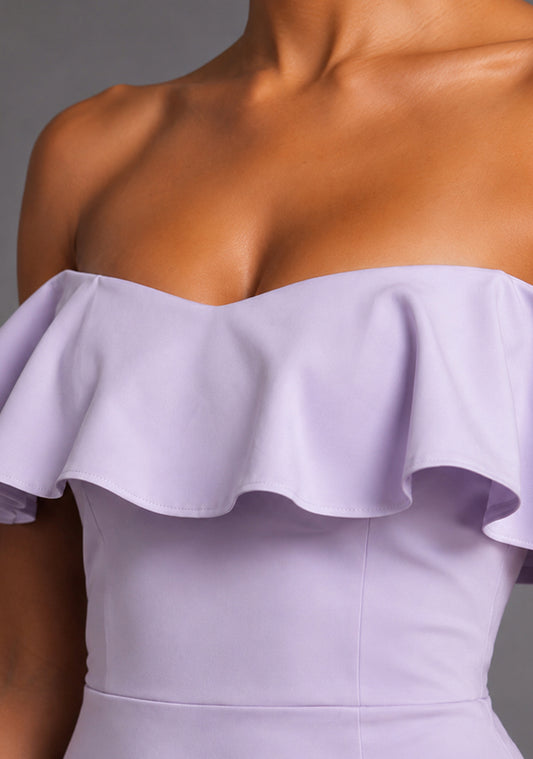
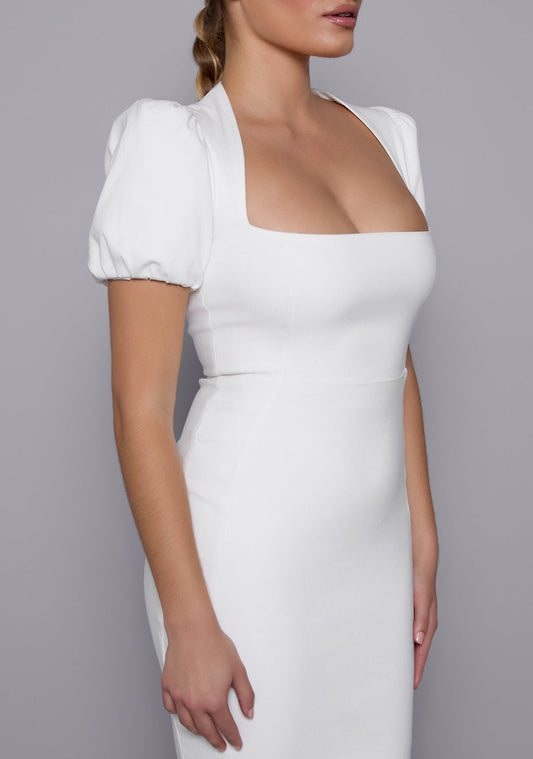
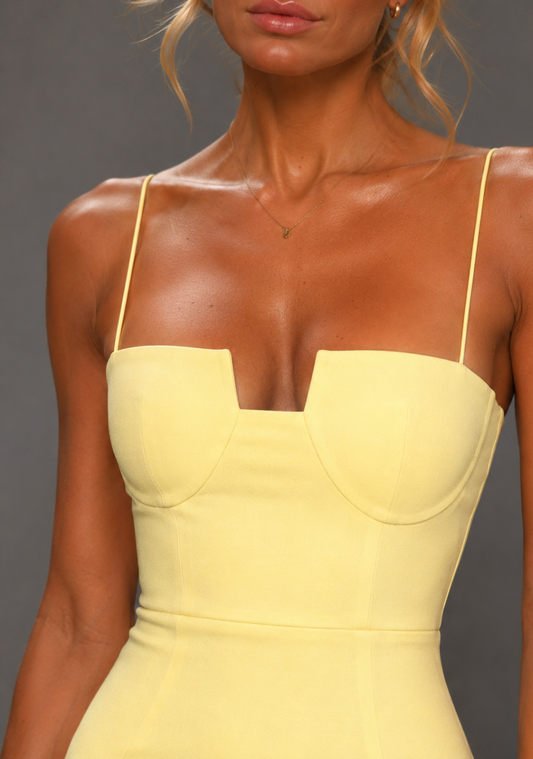
Open backs, sculpted necklines, and delicate lace elements introduce dimension while keeping the overall silhouette clean. These details feel contemporary while still respecting the formality of the occasion.
The shift is towards refinement - allowing design to speak rather than relying on heavy embellishment.
What Not to Wear to the Races
Even with a more modern approach, there are still a few guidelines worth noting.
Overly casual pieces - such as everyday fabrics or overly relaxed silhouettes - can feel out of place. Similarly, anything too revealing may not align with the tone of the event, particularly at more traditional race days.
When in doubt, lean towards polish. A well-considered outfit will always feel appropriate.
Frequently Asked questions
What should I wear to the races in 2026?
Race day dressing in 2026 focuses on refined silhouettes, confident colour, and considered styling. Midi and midaxi dresses remain the most appropriate choices, offering a balance between elegance and practicality for outdoor events.
Are there dress codes for the races?
Yes, although they vary by event. More formal race days, such as Royal Ascot, have specific guidelines around dress length, coverage, and headwear. Other events are more relaxed but still require polished, occasion-appropriate outfits.
Can I wear a mini dress to the races?
Mini dresses can work for less formal race days when styled thoughtfully. Choosing a structured silhouette and pairing it with refined accessories ensures the look remains appropriate for the setting.
Do I have to wear a hat or fascinator?
For certain events, particularly formal race days, headwear is expected. For others, it is optional. A structured hat or a refined fascinator can elevate the outfit, but more minimal headpieces are increasingly common.
What shoes should I wear to the races?
Footwear should balance style and practicality. Block heels, wedges, or elegant sandals are often better suited to outdoor settings than stilettos, especially on grass or uneven ground.
What colours are best for race day outfits?
Spring and summer race days lend themselves to colour. Pastels, bold pinks, greens, and soft neutrals all work well. Monochrome looks are particularly effective, allowing colour to feel intentional and refined.
Final Thoughts
Race day dressing in 2026 is about interpretation rather than imitation. The traditions remain, but the way they are expressed has evolved.
The most successful looks are those that feel intentional - built on strong silhouettes, thoughtful colour, and refined styling. When these elements come together, the result feels effortless rather than forced.
Ultimately, dressing for the races is an opportunity to embrace occasionwear at its most expressive - confident, considered, and distinctly modern.
Explore refined occasion silhouettes designed for race day dressing.
15th April 2026