Black Tie Dress Code: The Ultimate Guide for Women

You've received an invitation with those two words that make even the most confident dresser pause: black tie. Suddenly, you're second-guessing every dress in your wardrobe, wondering if 'formal' means what you think it means, and quietly panicking about whether you need to buy something new.
Take a breath. Black tie might be one of the most formal dress codes you'll encounter, but it's also one of the most clearly defined - which actually makes it easier to get right than vaguer instructions like 'smart casual' or 'festive attire'.
This guide breaks down exactly what black tie means for women, what to wear (and what to avoid), and how to put together an outfit that feels both appropriate and unmistakably you.
What Does Black Tie Actually Mean?
Black tie is the second most formal dress code in existence, sitting just below white tie (which you'll rarely encounter outside of state dinners and royal events). It originated in the 19th century as a slightly more relaxed alternative to full evening dress, and while the rules have softened over the decades, the core principle remains: this is an occasion that calls for your most elegant evening attire.
For men, black tie is straightforward - a dinner jacket (tuxedo), black trousers, a bow tie. For women, there's considerably more flexibility, which is both a blessing and a source of confusion.
The Key Principle
Black tie events happen in the evening, and your outfit should reflect that. This isn't daytime dressing elevated - it's specifically after-dark elegance. Think: gala dinners, formal charity events, awards ceremonies, upscale weddings, opera premieres, and New Year's Eve balls.
The unifying thread across all acceptable black tie attire is that it should look and feel special. These are clothes reserved for occasions, not everyday life. If you could wear it to the office or to brunch, it's probably not black tie appropriate.

The Dress Length Question
This is where most women get stuck, so let's be clear: traditionally, black tie calls for a floor-length gown. However, modern interpretations have expanded the options.
Floor-Length: The Classic Choice
A floor-length dress is always appropriate for black tie and remains the most traditional option. If you're attending a particularly formal event - a gala at a historic venue, an embassy dinner, anything where the host seems especially traditional - a gown is your safest bet.
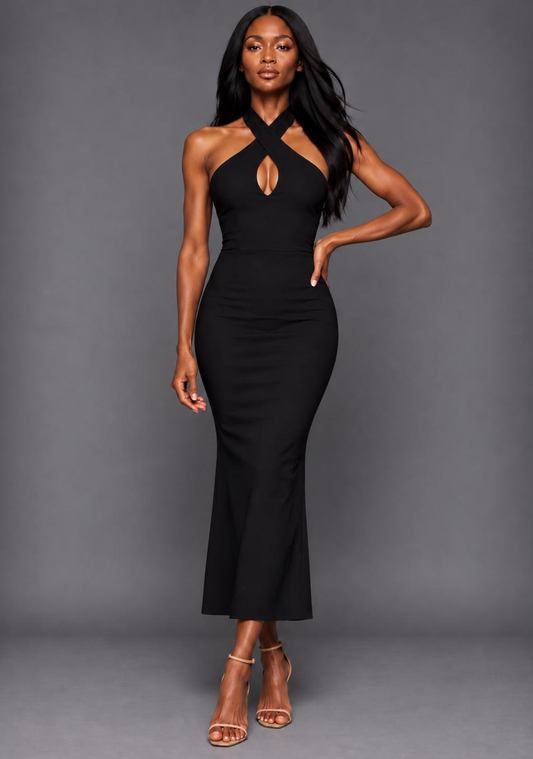
Floor-length doesn't have to mean ball gown, though. A sleek, fitted maxi dress in a luxurious fabric reads as thoroughly black tie without requiring a crinoline.
Midi: The Modern Alternative
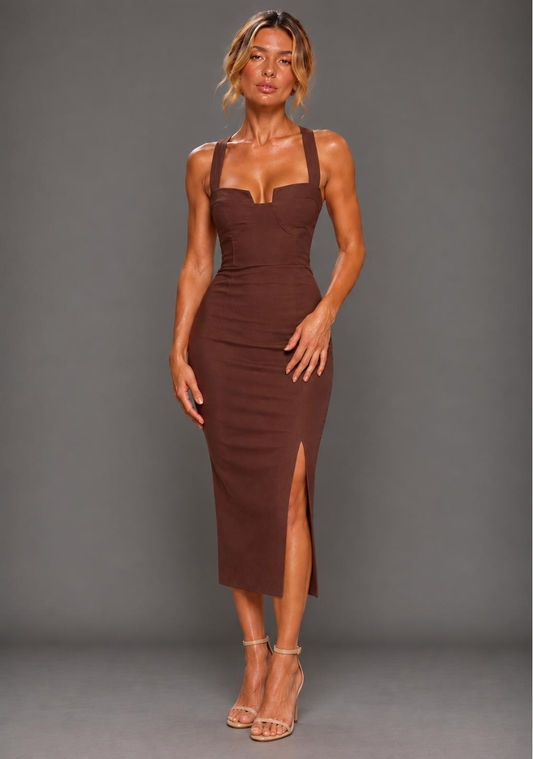
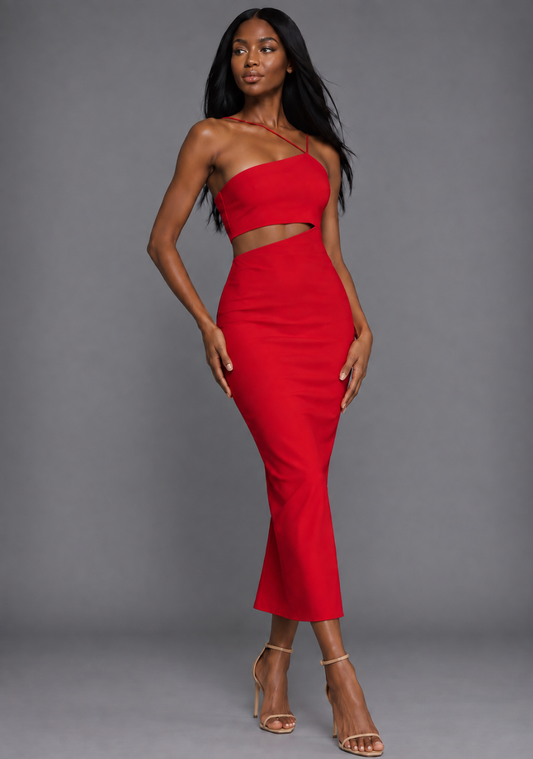
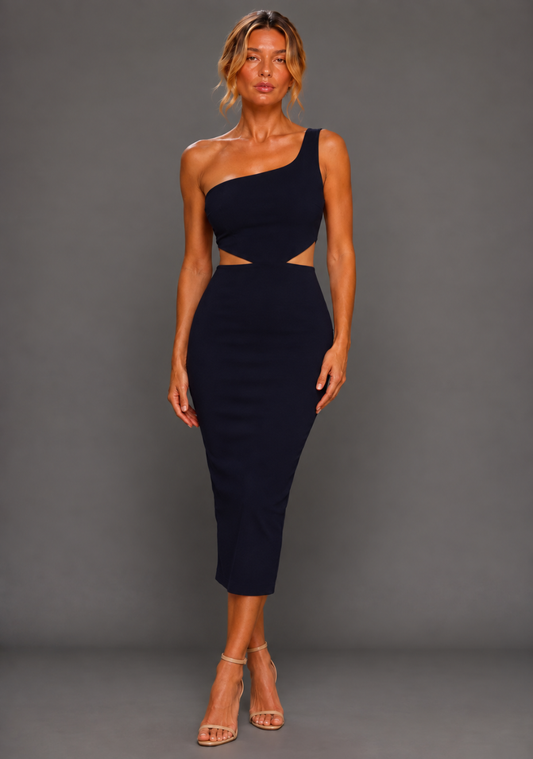
A midi dress (hitting anywhere from below the knee to mid-calf) is now widely accepted at black tie events, provided the overall look is sufficiently formal. The key is elevation: a midi dress for black tie should be in a luxurious fabric with sophisticated details. Think satin, silk, or velvet; think interesting necklines, elegant draping, or subtle embellishment.
A midi can actually be a more practical choice for events where you'll be moving around, dancing, or navigating stairs. Just ensure the overall impression is 'evening occasion', not 'nice dinner out'.
What About Mini?
Here's where we need to be honest: a mini dress is generally not appropriate for traditional black tie. While fashion has relaxed many rules, showing significant leg at a formal evening event still reads as under-dressed to most people. If the invitation says black tie, err on the side of longer lengths.
The exception might be a 'black tie optional' or 'creative black tie' event, where there's more room for interpretation - but even then, proceed with caution.
Fabrics and Colours That Work
The fabric of your dress does a lot of heavy lifting in communicating formality. Some materials instantly read as 'evening'; others, no matter how beautiful, simply don't.
Yes to These Fabrics
- Satin and silk: The quintessential evening fabrics. They catch the light beautifully and drape in ways that look inherently elegant.
- Velvet: Rich, tactile, and undeniably luxurious. Particularly good for winter events.
- Chiffon: Light and flowing, often used for overlays or full gowns. Creates beautiful movement.
- Sequins and beading: Black tie is the perfect occasion for sparkle. Full sequin gowns or dresses with embellished details are entirely appropriate.
- Lace: When done elegantly - think refined, not rustic - lace can be stunning for black tie.
- Crepe: A heavier, structured option that can look beautifully sleek and modern.
-
Stretch-luxe fabrics: When designed specifically for eveningwear, refined stretch fabrics can be just as appropriate as traditional options. Stretch-luxe offers a sculpted, supportive fit that moves fluidly with the body, maintaining a polished, evening-appropriate finish while adding comfort and ease - particularly for long events.
Colours to Consider
Despite the name, black tie doesn't mean you must wear black (though you absolutely can - a beautifully cut black gown is timelessly elegant). Your colour options are actually quite broad:
- Classic black: Sophisticated, slimming, always appropriate.
- Navy: A softer alternative to black that's equally elegant.
- Jewel tones: Emerald, sapphire, burgundy, amethyst - rich, deep colours that photograph beautifully.
- Metallics: Gold, silver, bronze, champagne - evening is the time to shine.
- Deep red: Bold, confident, and undeniably glamorous.
- Soft neutrals: Champagne, blush, and ivory can work beautifully, though avoid pure white at weddings.
Generally, brighter, bolder colours (hot pink, orange, bright yellow) are less traditional for black tie, though not strictly forbidden. If in doubt, lean towards richer, deeper tones.
Not a Dress Person? Alternatives That Work
Good news: a dress isn't your only option. Modern black tie has expanded to include several elegant alternatives.
Formal Jumpsuits
A tailored jumpsuit in a luxurious fabric - satin, crepe, or velvet - can be absolutely stunning at a black tie event. Look for wide-leg silhouettes, interesting necklines, and elegant details. The overall effect should be polished and evening-appropriate, not workwear.
Formal Separates
A floor-length skirt paired with an elegant top can create a look that's every bit as formal as a gown. Think: a silk maxi skirt with a beautifully cut camisole, or a structured skirt with an embellished bodice-style top. The key is ensuring both pieces feel equally elevated.

Accessorising for Black Tie
Accessories at black tie should feel polished and intentional. This isn't the moment for your everyday pieces.
Jewellery
Black tie calls for your best jewellery - or at least pieces that look like your best jewellery. Statement earrings are classic and frame the face beautifully, especially with hair worn up. If your dress is simple, this is the moment for a striking necklace or dramatic drop earrings. If your dress already has significant detail or embellishment, keep jewellery more understated. The general rule: pick one focal point and let it shine.
Bags
A small clutch or minaudière is the traditional choice. This isn't the evening for a practical tote - you're aiming for elegance over utility. Choose something that complements your dress without competing with it. Metallics, beading, or jewel-toned satin all work beautifully.
Shoes
Heels are the standard for black tie, though the style is up to you. Strappy sandals, elegant courts, or embellished heels all work. If you genuinely cannot wear heels, an elevated flat - pointed toe, metallic, or embellished - is preferable to an uncomfortable night. With a floor-length gown, your shoes will barely be visible anyway.
Cover-Ups
If you need a cover-up for warmth or modesty, choose carefully. A silk wrap, elegant shawl, faux fur stole, or tailored evening jacket all work. Avoid anything too casual - your outerwear should feel as considered as your dress.
What Not to Wear to Black Tie
Sometimes knowing what to avoid is as helpful as knowing what works. Here's what to leave at home:
- Anything too short: As covered above, mini dresses and short hemlines are generally too casual for black tie.
- Casual fabrics: Cotton, jersey, linen, and other daytime fabrics don't read as formal enough, regardless of the cut.
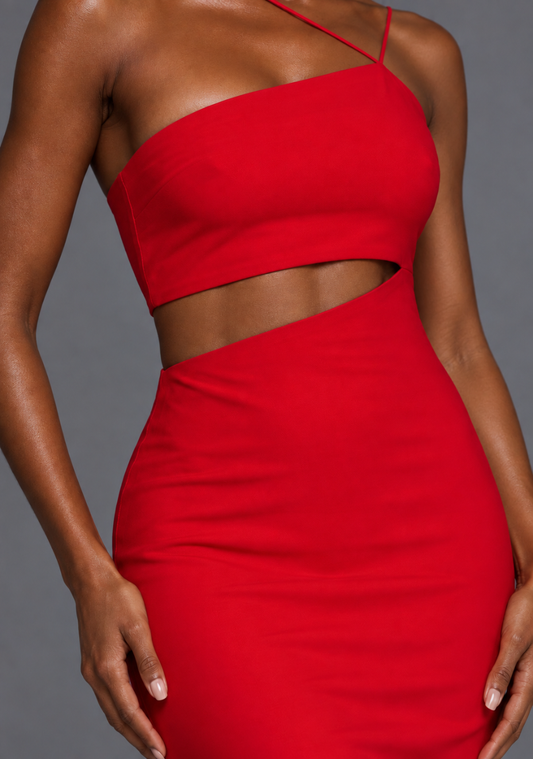
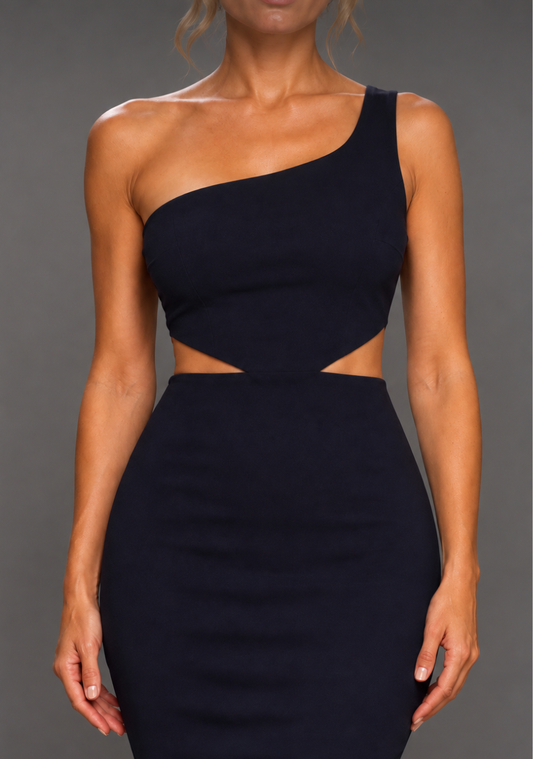
- Anything too revealing: Black tie is elegant, not provocative. Very low necklines, extreme cut-outs, and sheer panels without appropriate coverage can feel out of place.
- Daytime dresses: A floral sundress or a casual wrap dress, however pretty, won't meet the dress code.
- Heavy or clunky accessories: Platform shoes, oversized bags, and chunky costume jewellery can undermine an otherwise appropriate outfit.
-
Anything you'd wear to work: Even your best work dress isn't black tie. The vibe is entirely different.
Frequently Asked Questions
What's the difference between black tie and black tie optional?
Black tie optional means formal attire is encouraged but not required. Men can wear a dark suit instead of a tuxedo. Women have more flexibility - a cocktail dress becomes acceptable, though you can still wear a gown if you prefer. When in doubt, err on the formal side; you can never be overdressed at black tie optional.
What does creative black tie mean?
Creative black tie invites personal expression within the formal framework. This is where you might experiment with bolder colours, fashion-forward silhouettes, or statement pieces. The foundation is still formal evening wear, but there's room to show personality. Think of it as black tie with a twist.
Can I wear trousers to a black tie event?
Yes, provided they're formal trousers (wide-leg, tailored, in an evening fabric) paired with an equally elevated top. This is a more modern interpretation and may not suit the most traditional events, but it's increasingly accepted.
Do I have to wear heels?
Heels are traditional but not mandatory. If you can't or won't wear heels, choose an elegant flat - pointed toe, metallic, embellished - that still reads as special. Comfort matters; you'll enjoy the evening more if your feet aren't in agony.
What if I can't afford a new dress?
You don't need a new dress for every black tie event. A well-chosen gown can be worn multiple times, especially to different social circles. You can also consider dress rental services, which give you access to designer pieces for a fraction of the purchase price. The fit and quality of what you wear matters more than whether it's new.
The Bottom Line
Black tie might sound intimidating, but it's actually one of the clearest dress codes to navigate. Choose something long (floor-length or midi), in a luxurious fabric, that feels unmistakably 'evening'. Accessorise thoughtfully, keep it elegant rather than revealing, and - most importantly - wear something that makes you feel confident.
Because here's the secret: the best-dressed person at any black tie event isn't necessarily the one in the most expensive gown or the trendiest silhouette. It's the one who looks like they belong in what they're wearing. Choose well, wear it with confidence, and you'll fit in perfectly.
10th January 2026